‚Edge-to-Edge‘
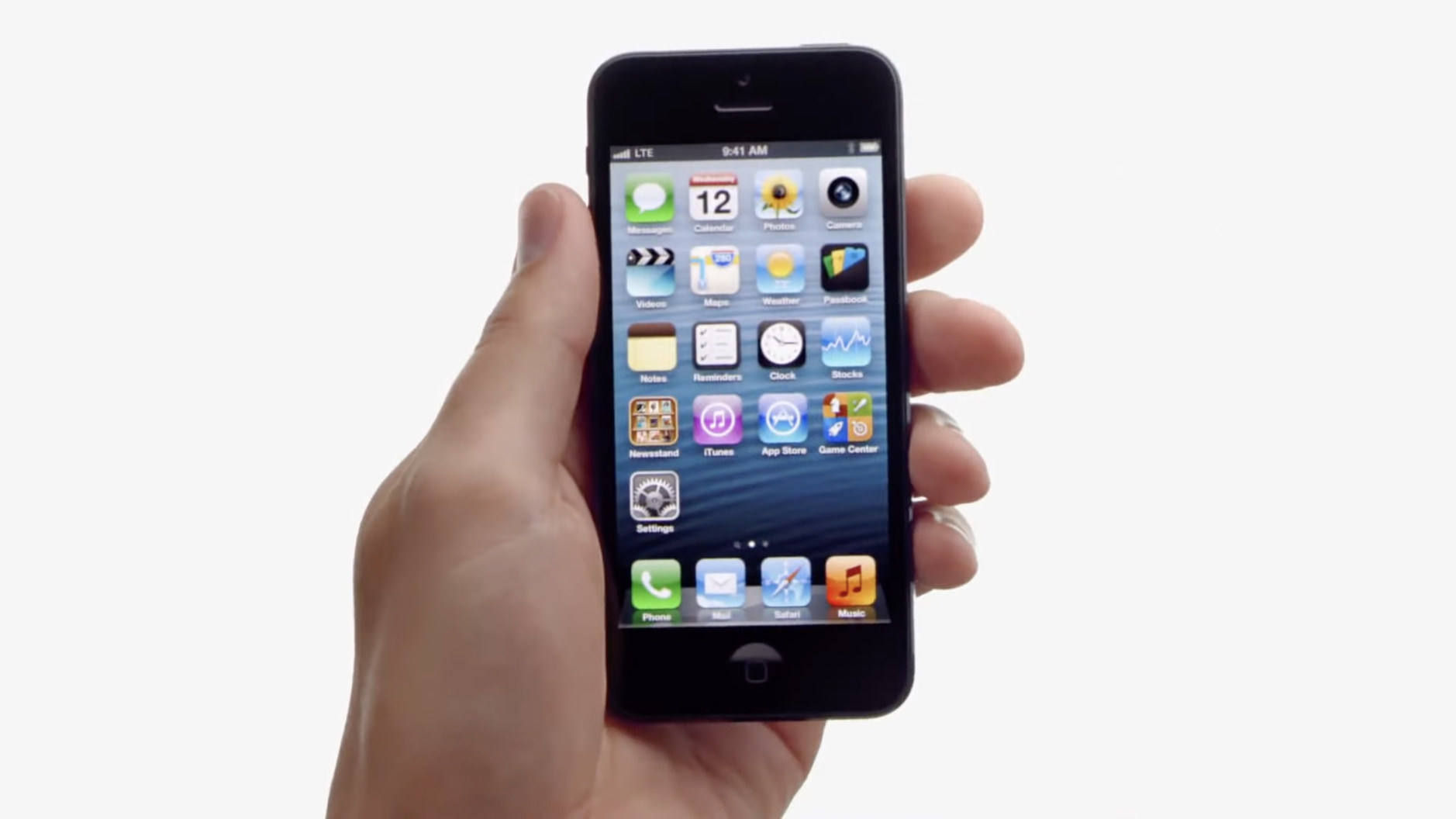
Der 5s-Bildschirm ist lediglich eine iOS-Statusleiste höher als die übliche Kreditkarte. Ein iPhone-Modell mit einem 4.7- beziehungsweise 5-Zoll Bildschirm macht in diesem Herbst erstmals Sinn.
 DirektThumb
Klar, das ist nur Marketing. Für ein größeres Geräte finden sich ohne Probleme auch andere werbeträchtige Argumente. Ich bin mir jedoch sicher, dass die aktuelle Bildschirmdiagonale weiter Bestand hat. Schlussendlich hängt alles an der Bildqualität und nicht der Auflösung oder einer überzogenen Pixeldichte.
Tim Cook, im Frühling 2013, knapp fünf Monate nachdem das iPhone 5 in den Verkauf ging:
DirektThumb
Klar, das ist nur Marketing. Für ein größeres Geräte finden sich ohne Probleme auch andere werbeträchtige Argumente. Ich bin mir jedoch sicher, dass die aktuelle Bildschirmdiagonale weiter Bestand hat. Schlussendlich hängt alles an der Bildqualität und nicht der Auflösung oder einer überzogenen Pixeldichte.
Tim Cook, im Frühling 2013, knapp fünf Monate nachdem das iPhone 5 in den Verkauf ging:
- Apple beliefert seit Winter DoCoMo und China Mobile, die beiden reichweitenstärksten Mobilfunkanbieter in Japan und China. Besonders in Asien, Apples größtem Wachstumsmarkt, dominieren Smartphones mit großen Displays.
- Die Software-Suite steht. Viele Entwickler setzen bereits Auto Layout und Text Kit ein. Das vereinfacht die App-Anpassung an andere Bildschirmgrößen erheblich.
- iOS fokussiert seit zwei OS-Generationen außerdem gezielt auf Wischgesten. Prominente Beispiele: Ein Menü, das man von links ins Bild schiebt (wie in Mail) oder das Vor- und Zurückblättern in Safari.
DirektThumb
Klar, das ist nur Marketing. Für ein größeres Geräte finden sich ohne Probleme auch andere werbeträchtige Argumente. Ich bin mir jedoch sicher, dass die aktuelle Bildschirmdiagonale weiter Bestand hat. Schlussendlich hängt alles an der Bildqualität und nicht der Auflösung oder einer überzogenen Pixeldichte.
Tim Cook, im Frühling 2013, knapp fünf Monate nachdem das iPhone 5 in den Verkauf ging:
If you look at displays — if you kind of contrast this to displays — some people are focused on size. There’s a few other things about the display that are important. Some people use displays—like OLED displays, the color saturation is awful. If you ever buy anything online, and you want to really know what the color is, as many people do, you should really think twice before you depend on the color of the OLED display. The Retina display is twice as bright as an OLED display. And so I only bring these points up to say there are many attributes of a display, and what Apple does is sweat every detail. We care about all of them, and we want the best display. And I think we’ve got it. I feel great about it. Macworld
Dieser Inhalt ist nur für Gold-Mitglieder verfügbar. Jetzt abonnieren!